Bolivia
Bolivia is South America at its most raw and surreal: mirror-flat salt deserts, cities clinging to 4,000m canyons, witch markets, silver-mine history and an indigenous culture that never went underground.
Bolivia is South America at its most raw and surreal: mirror-flat salt deserts, cities clinging to 4,000m canyons, witch markets, silver-mine history and an indigenous culture that never went underground.
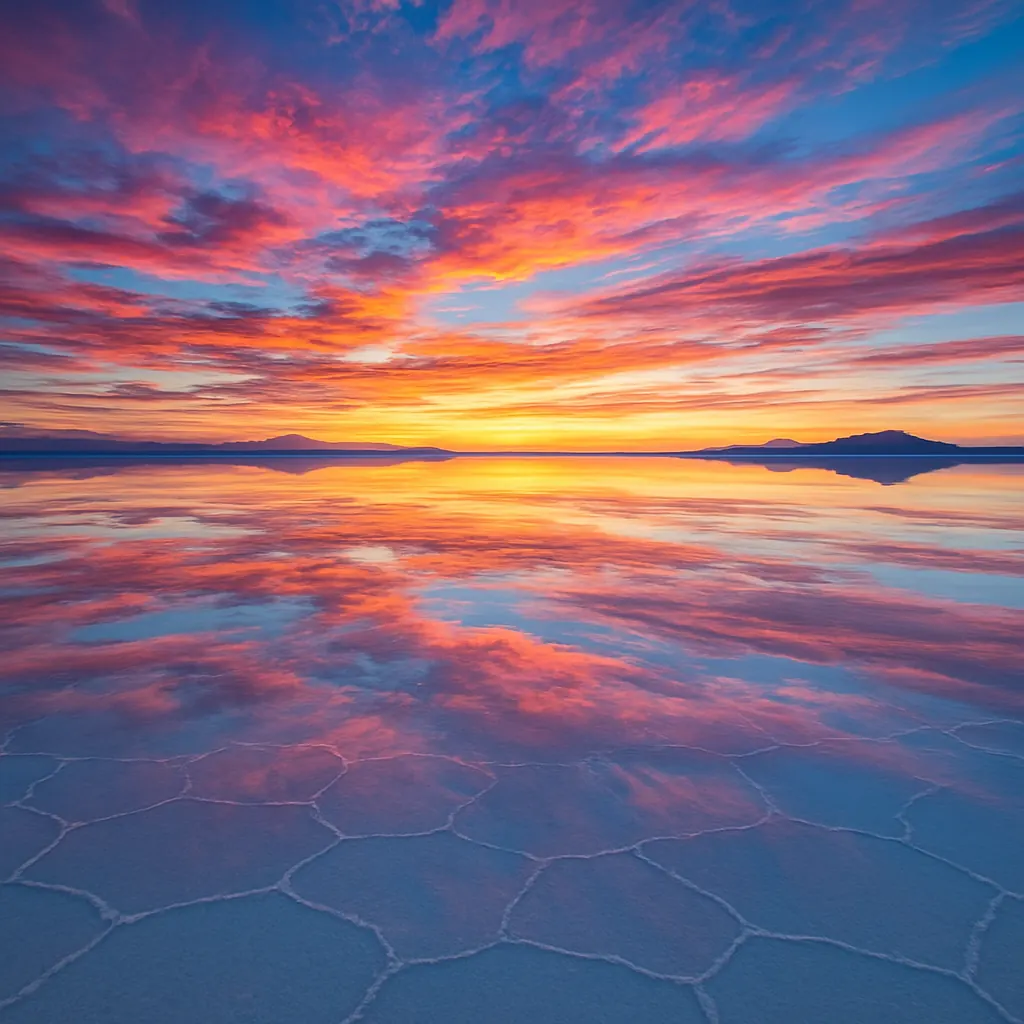
Bolivia is South America at its most raw, highest and best value. The administrative capital La Paz spills down a canyon at 3,600m; Uyuni delivers the surreal mirror of the world’s largest salt flat; Sucre is a white-washed colonial gem and the cheapest place on the continent to learn Spanish; and Lake Titicaca laps at the pilgrim town of Copacabana. It rewards travellers who don’t mind roughing it a little.
Fun fact
Salar de Uyuni is so vast and flat that NASA uses it to calibrate satellite altimeters — and after rain it becomes the world’s largest mirror.
Getting around
Buses are cheap but slow and rough; fly La Paz–Uyuni or La Paz–Sucre with BoA to save long overnight hauls. No visa for most travellers (US citizens need one). Altitude is the defining challenge — acclimatise before arriving in La Paz, and carry small bills and cash, as cards are rarely accepted.
City guides
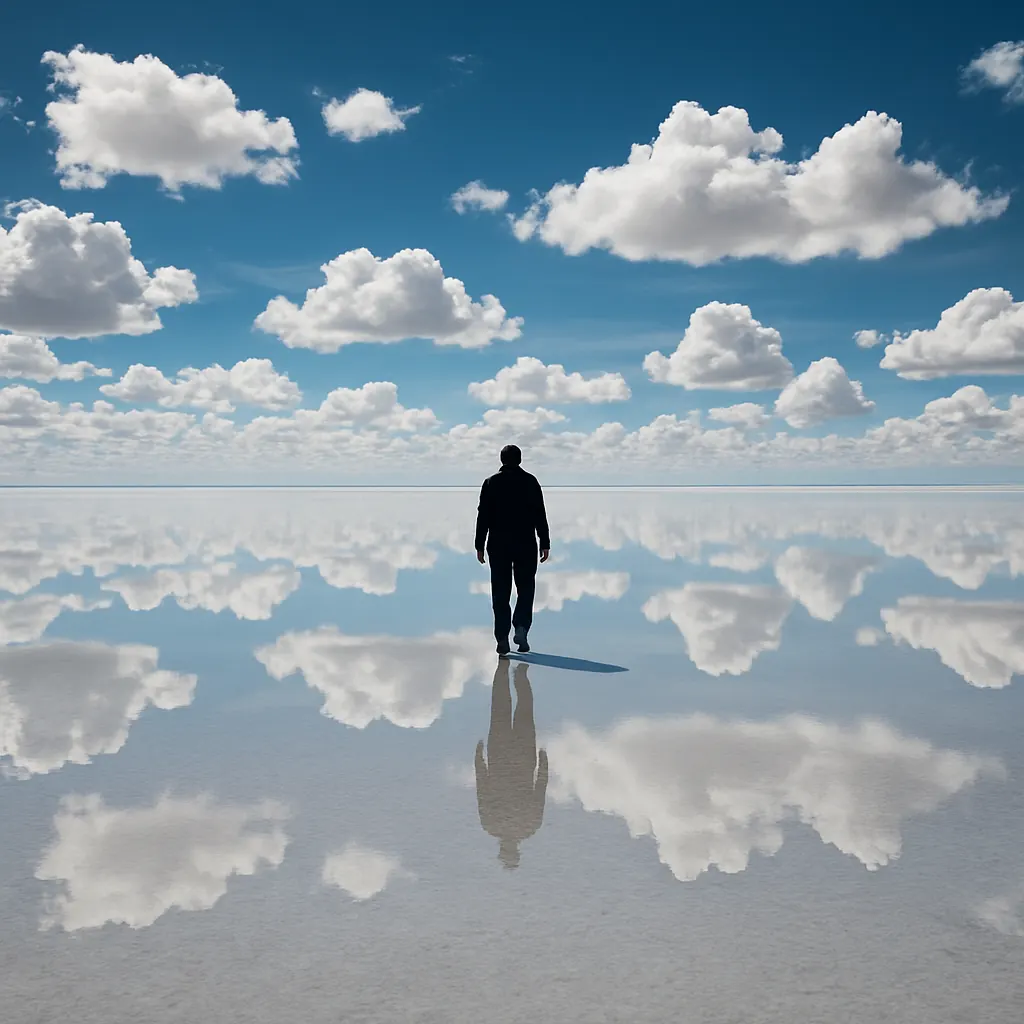
Uyuni
The world’s largest salt flat
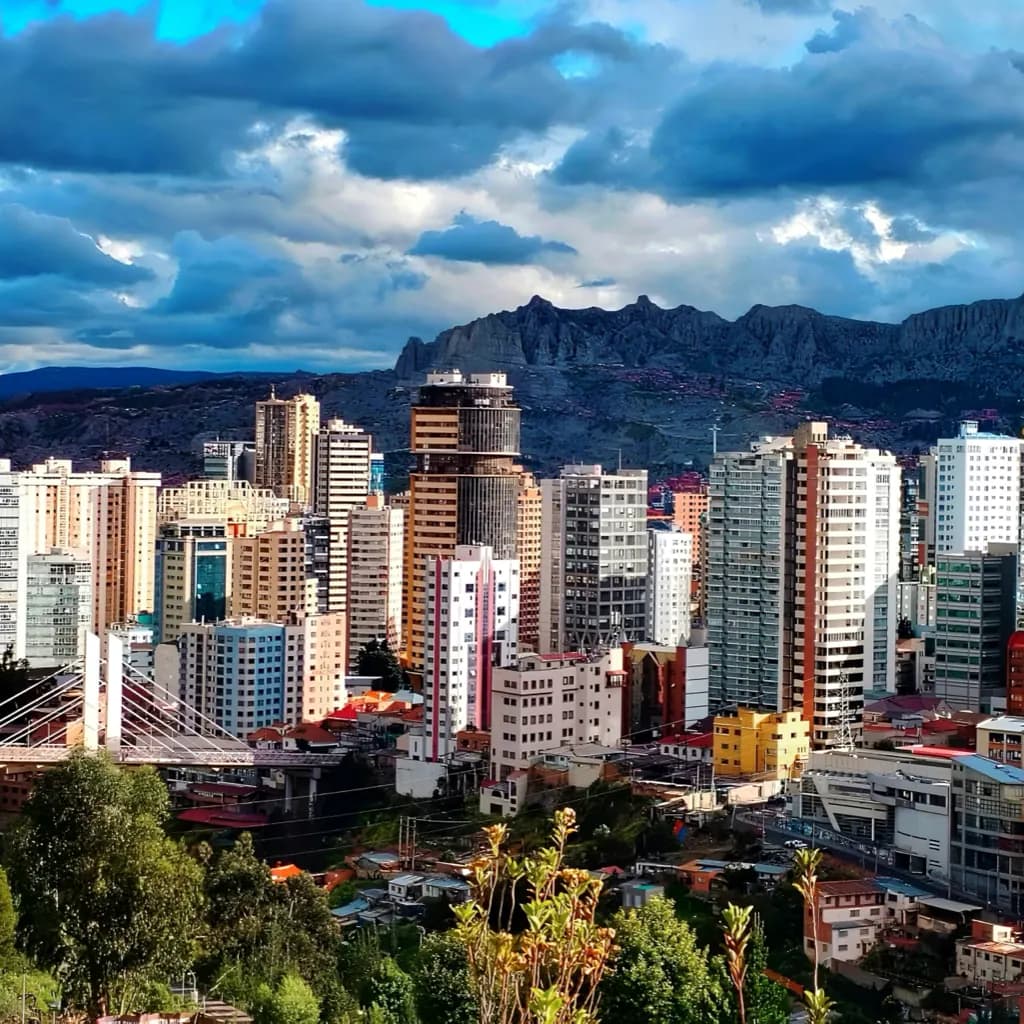
La Paz
The world’s highest capital
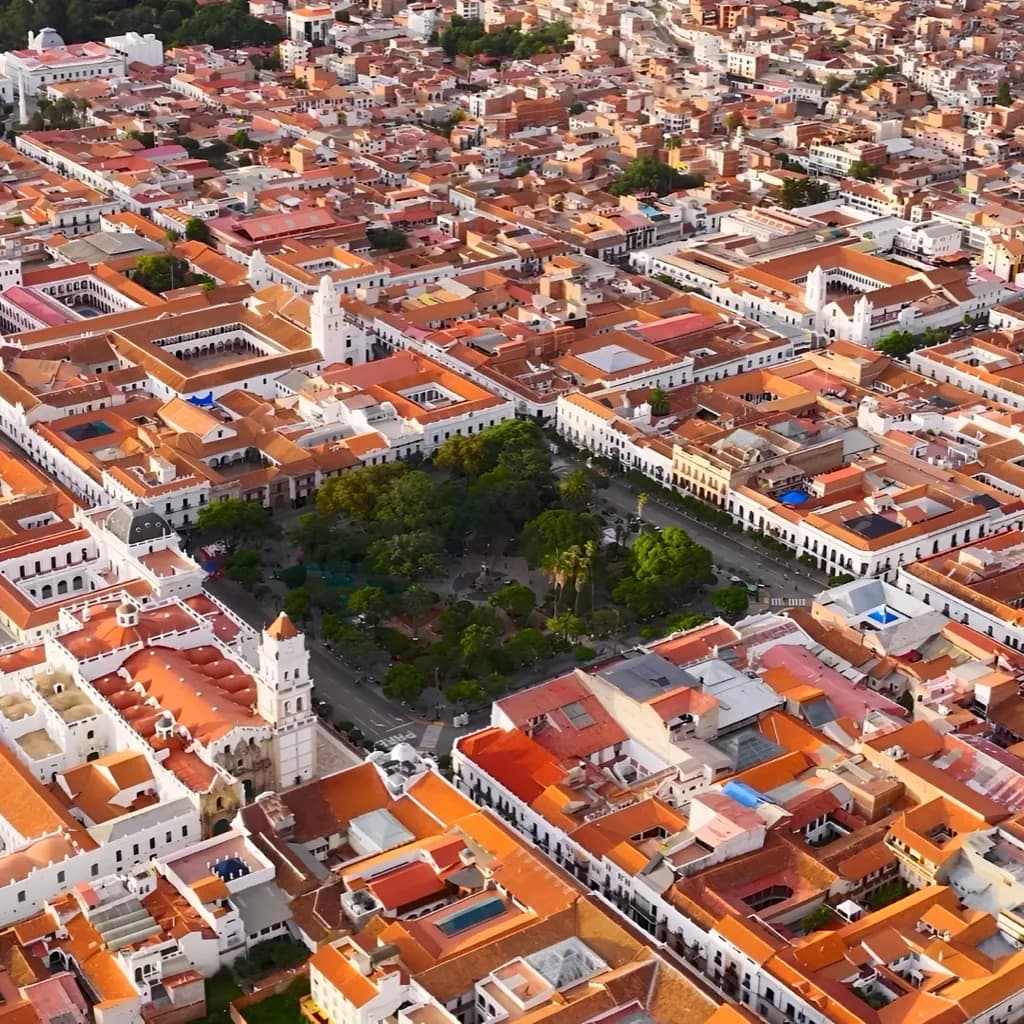
Sucre
Bolivia’s white colonial jewel
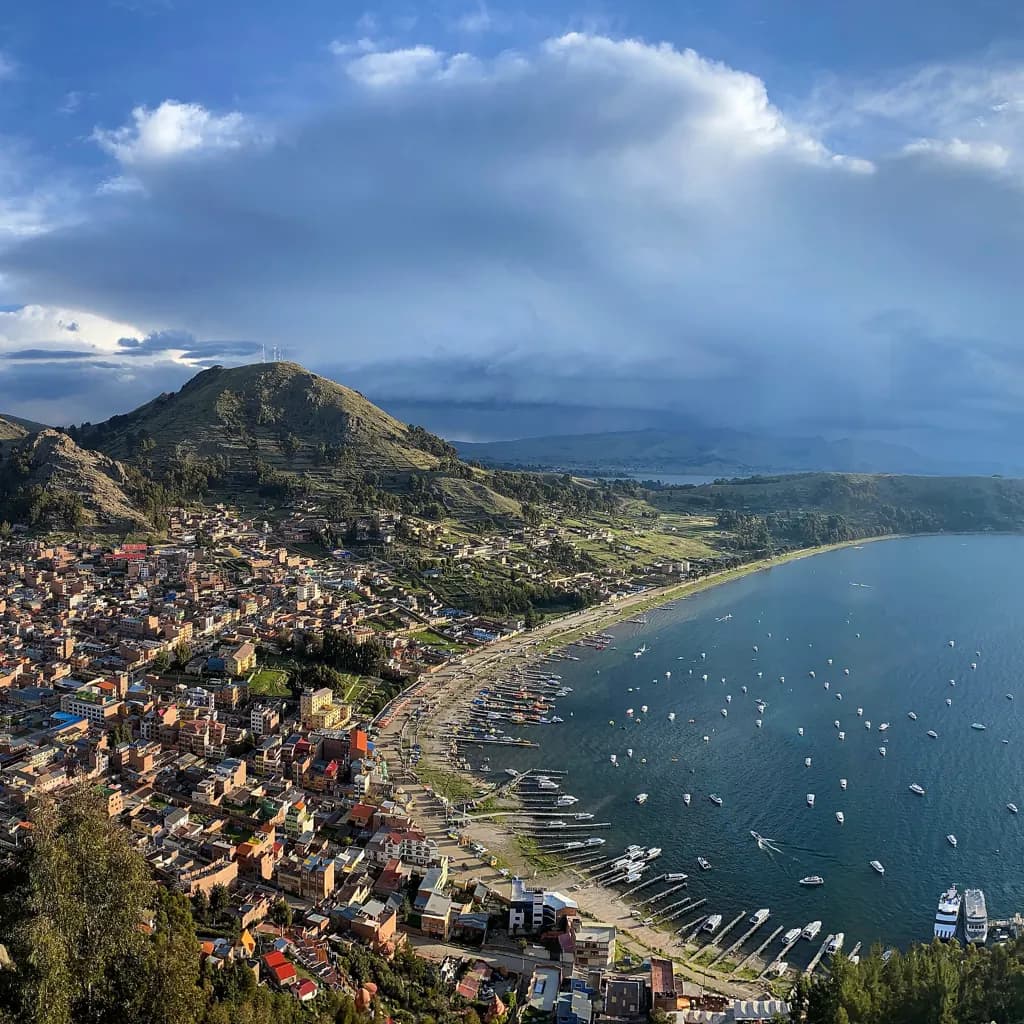
Copacabana
Pilgrim town on Lake Titicaca
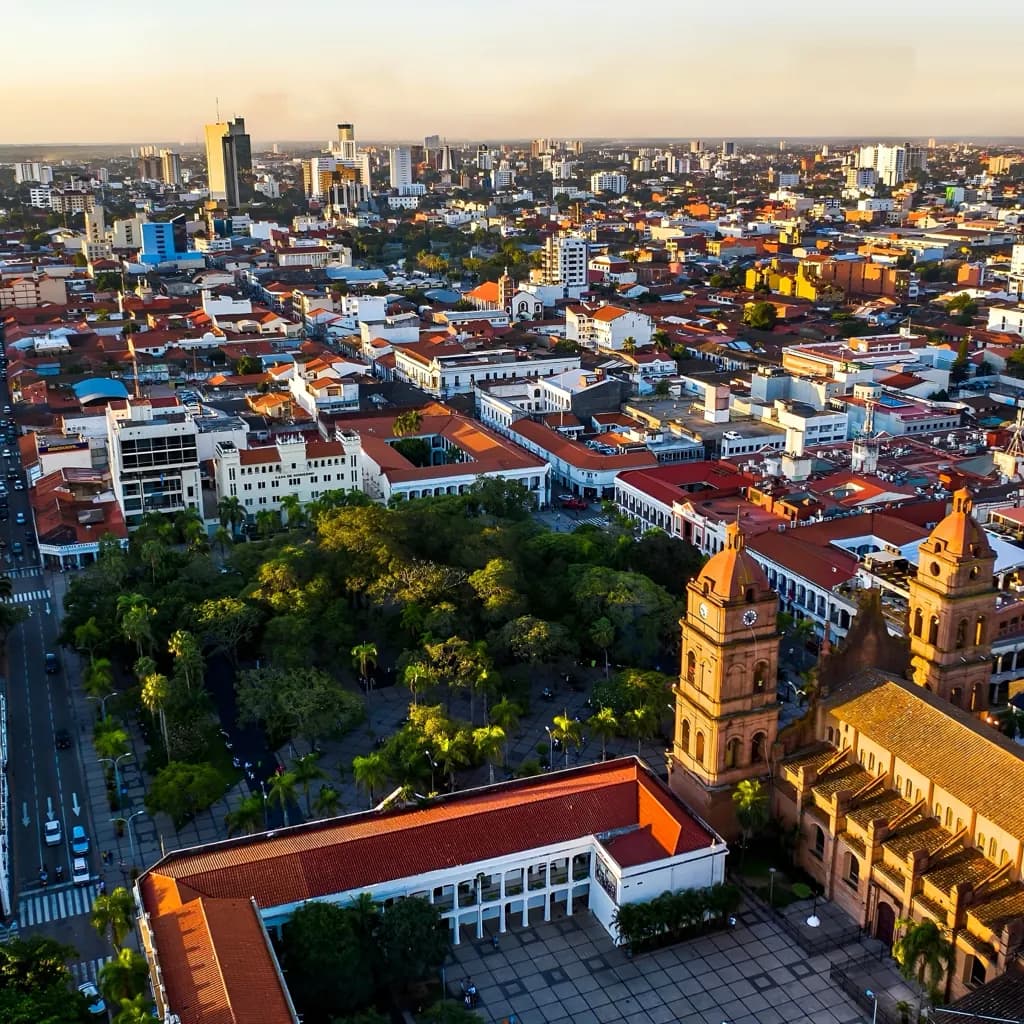
Santa Cruz
Tropical gateway to the lowlands